Burning Smell From Electrical in Tarro? Get It Checked Today
If you can smell burning at your Tarro home with no obvious source, get it checked today. Electrician Tarro responds same-day, backed by 300+ five-star reviews and Lic #451348C.
What That Burning Smell Really Is
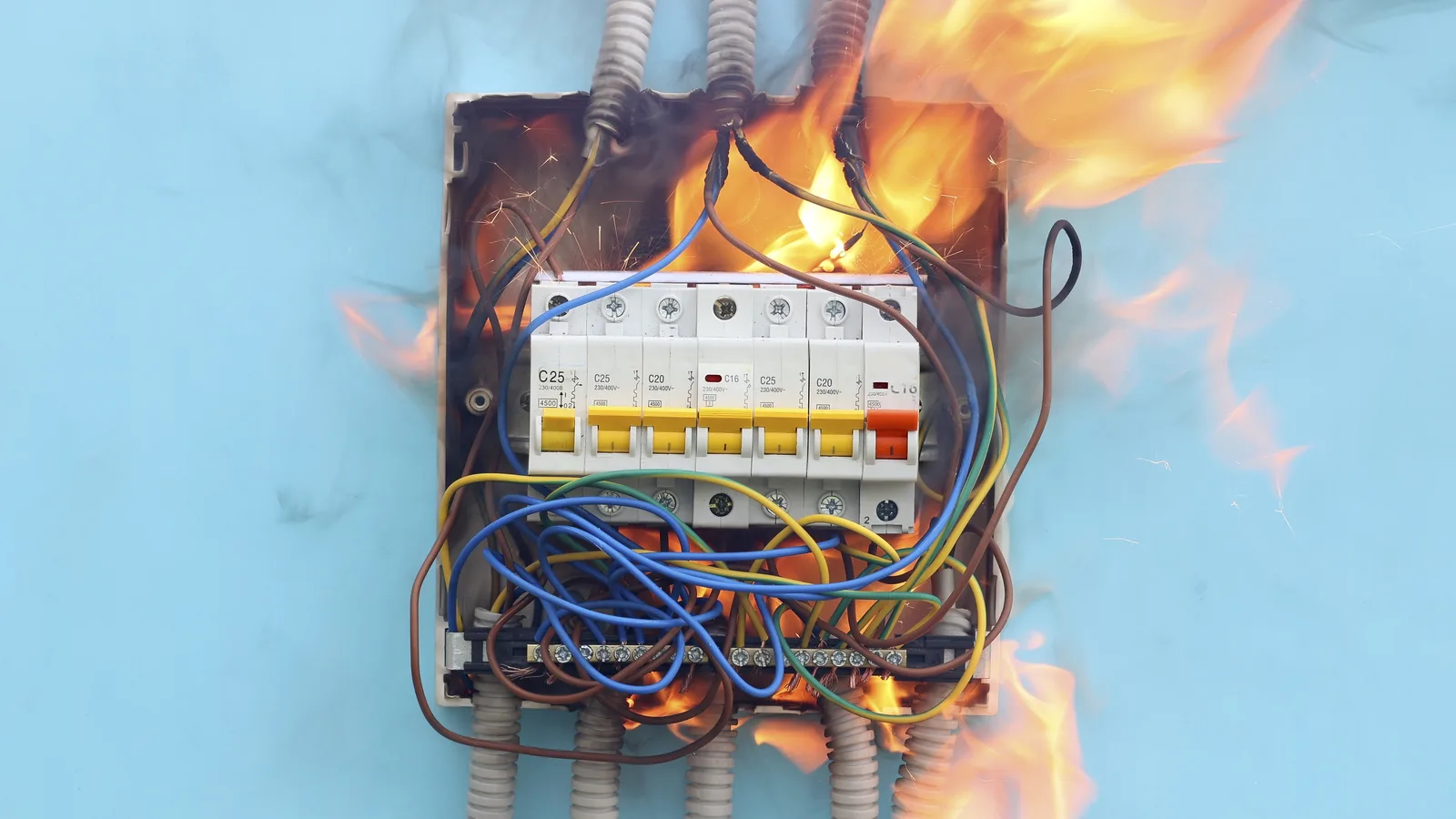
A burning, fishy, or hot-plastic smell with no clear source usually means wiring, a connection, or a point is overheating somewhere in the circuit. Under AS/NZS 3000 this is treated as an active fault, not something to wait out. A smell without visible damage often means the fault is still developing, which makes finding it quickly all the more important, especially in a home with ageing switchboard components.
Common Causes of an Electrical Burning Smell
Overheating wiring
The most common cause. Ageing wiring in Tarro's postwar homes can heat up under load, especially where insulation has degraded over the decades.
An arcing connection
A loose or corroded connection allows small arcs to jump, generating localised heat that produces a distinct burning or hot-plastic smell.
An overloaded power point
Running a large oven, pool pump, or home workshop equipment from one point can overheat the outlet and its wiring over time.
A failing appliance
An appliance with an internal fault can generate a burning smell the moment it is switched on, even without visible smoke.
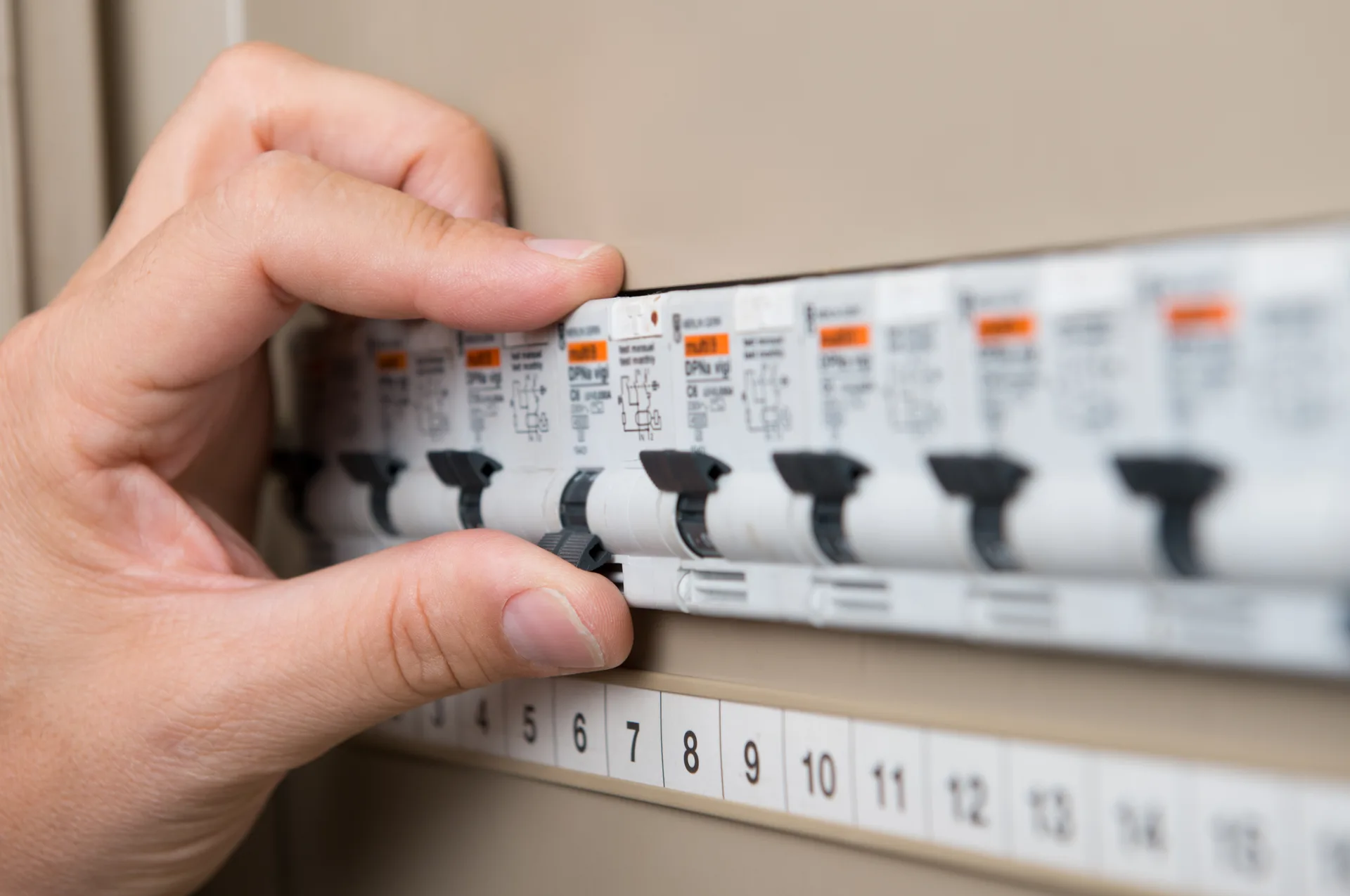
An ageing switchboard
Many Tarro homes from the 1940s-1980s still run original ceramic-fuse boards, which overheat and arc more readily than a modern switchboard under today's load.
A recent renovation exposing old wiring
As mid-century Tarro homes near Anderson Drive and Christie Road are renovated, decades-old wiring is often found to be undersized or degraded once new appliances are connected.
Is an Electrical Burning Smell Dangerous?
Yes, plainly. A burning or hot-plastic smell with no obvious source is one of the few electrical faults you should never ignore, since overheating like this often precedes a fire if left unchecked.
- Treat any burning or hot-plastic smell with no clear source as urgent
- Switch off the affected circuit or main switch and stop using that part of the house
- Have it checked the same day, not left until it happens again
What To Do Right Now
A burning smell is not something to investigate yourself, so take these safe containment steps until we arrive:
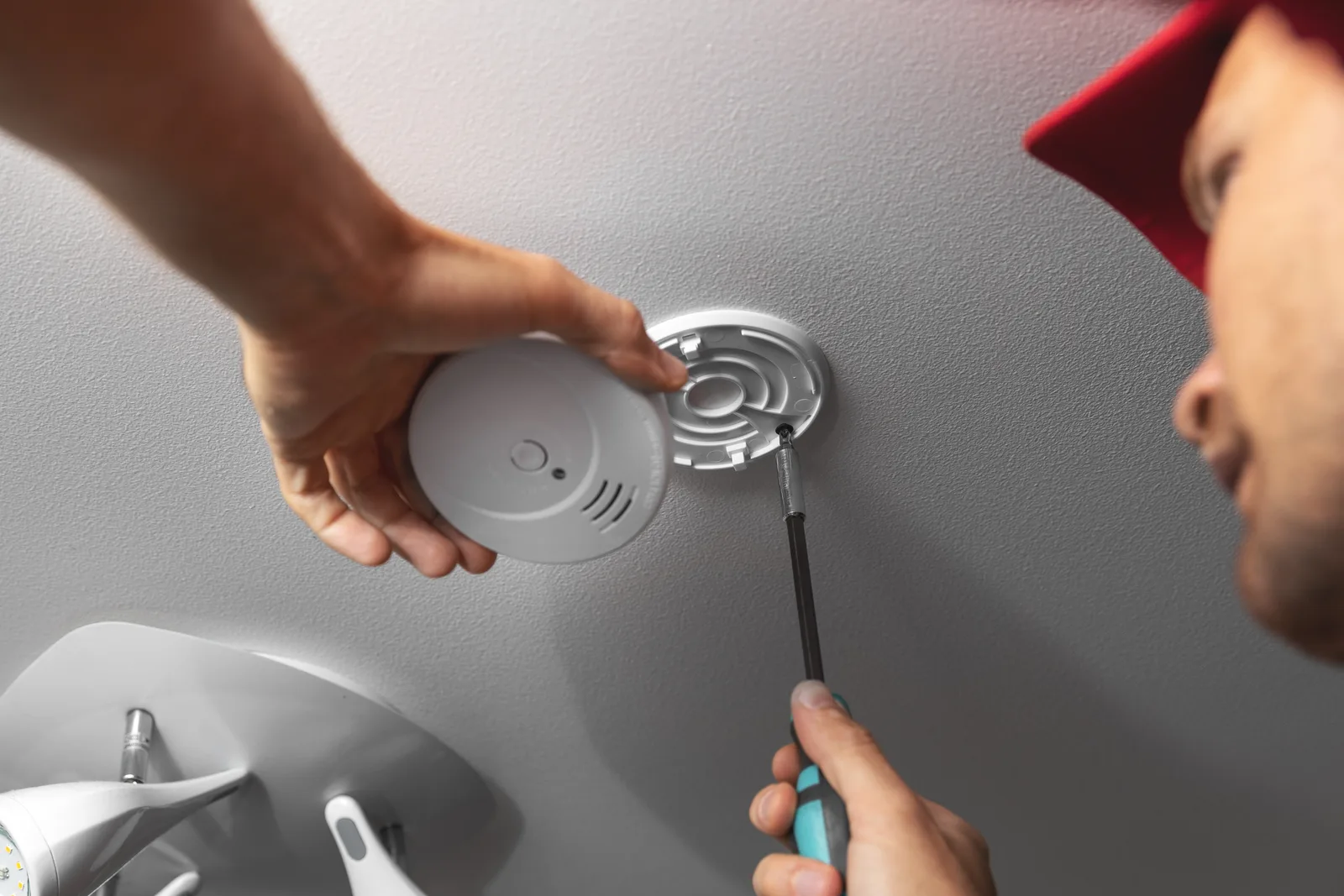
- Switch off the affected circuit or the main switch at the switchboard.
- Unplug appliances near where the smell is strongest and leave them unplugged.
- Avoid using that area or point again until it has been checked.
- Do not open the switchboard or investigate the wiring yourself.
- Call a licensed electrician (Lic #451348C) now.

When To Call an Electrician for a Burning Smell in Tarro
- You can smell burning, hot plastic, or a fishy odour with no clear source
- The smell is strongest near the switchboard, meter box, or a specific point
- A circuit or appliance feels warm alongside the smell
- The smell has come back after being noticed once before
- Your switchboard still uses old ceramic or rewireable fuses
- You've recently added a home workshop, large oven, or other high-draw appliance
Any of these at your Tarro property is a job for a licensed electrician, not a wait-and-see approach. We respond same-day and 24/7 for emergencies, with $0 call-out and free quotes. See our electrical repairs and switchboard upgrades.
How We Find and Fix It in Tarro
Locating the Source
We isolate circuits methodically and inspect wiring, points, and the switchboard closely to trace exactly where the overheating is coming from.
Upfront Quote
Once we've found the cause, we provide a free, fixed quote so you approve the cost before any repair or upgrade begins.
The Repair
We repair the overheating connection or point, and replace any wiring or fittings that have degraded beyond safe use.
Safety Inspection
Every job finishes with a safety check against AS/NZS 3000, and where the board itself is ageing, we may recommend a switchboard upgrade to reduce the risk of it happening again.
Why This Is Common in Older Tarro Homes
Tarro's housing stock dates mainly from the 1940s to the 1980s, including fibro cottages and early brick-veneer builds near Anderson Drive, so ageing wiring and original switchboards are more prone to overheating than a modern install.
Burning Smells and Related Electrical Faults Across Tarro
A burning smell often shows up alongside a burnt outlet or a noisy switchboard. We fix all three across Tarro, Beresfield, Woodberry, and the wider Newcastle region.
Burning Smell in Your Tarro Home? Call Now
Call (02) 4072 9917 for same-day, 24/7 emergency service, $0 call-out and free quotes, backed by Lic #451348C and 300+ five-star reviews. You can also get in touch here or head back to our home page.
Common questions
Frequently Asked Questions
Real answers to the questions Tarro homeowners ask us most about an electrical burning smell, from what causes it to what to do right now.
Is a burning smell from electrical wiring dangerous?
Yes, a burning or hot-plastic smell with no obvious source is one of the few electrical faults you should never ignore, and it needs checking the same day.
What causes an electrical burning smell in the house?
Overheating wiring, an arcing connection, an overloaded point, or a failing appliance are the most common causes of an electrical burning smell.
What should I do if I smell burning but can't find the source?
Switch off the affected circuit or the main switch if you can safely reach it, stop using nearby points, and call a licensed electrician straight away.
Should I turn the power off if I smell burning?
Yes, switching off the circuit or main switch at the switchboard is a safe first step while you wait for a licensed electrician to find the cause.
How much does it cost to fix an electrical burning smell?
It depends on the cause, but we offer a free quote and fixed upfront pricing before any work, plus a $0 call-out fee, so there are no surprises.
Are ageing switchboards a common cause of burning smells in older Tarro homes?
Yes, Tarro's stock of 1940s-1980s homes often still runs original ceramic-fuse boards, which are more prone to overheating and arcing than a modern board.